
Spiritual Books
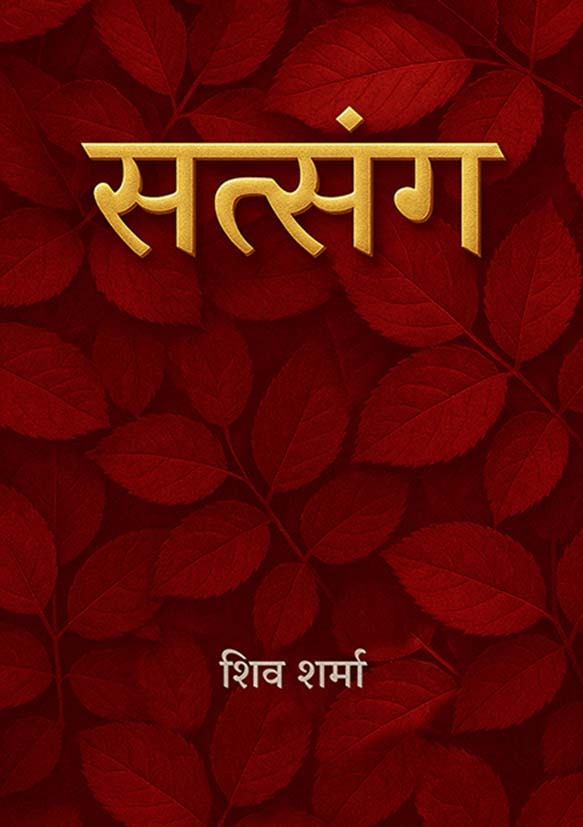
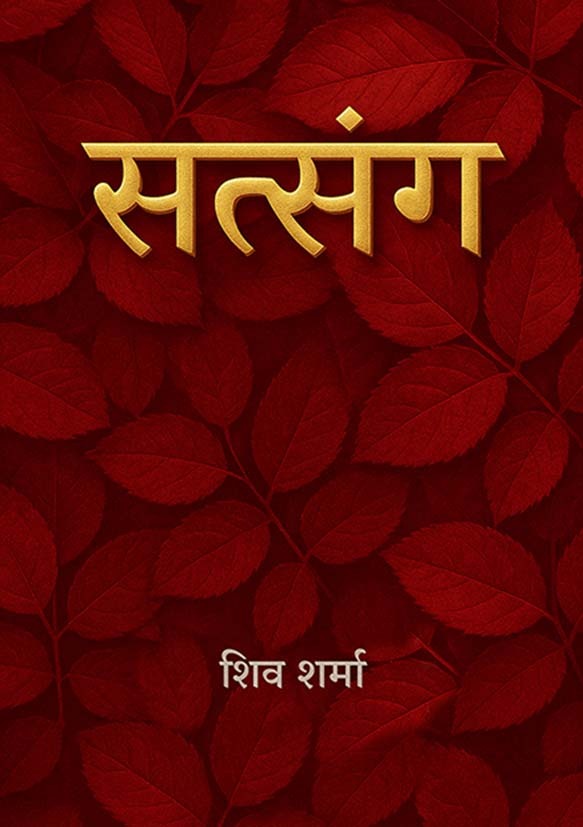
Satsang
Satsang is not merely a spiritual discussion but a sacred path leading towards truth, knowledge, and self-reflection. The book "Satsang" presents inspiring thoughts on life, spirituality, devotion, self-realization, and human values in simple and accessible language..........
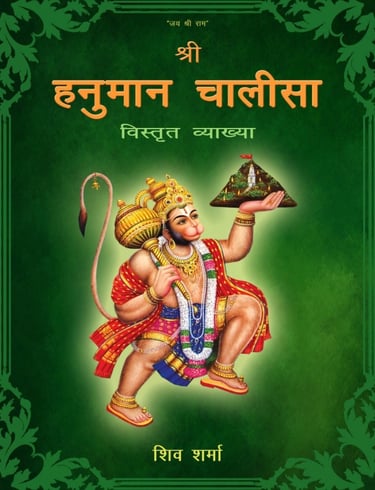
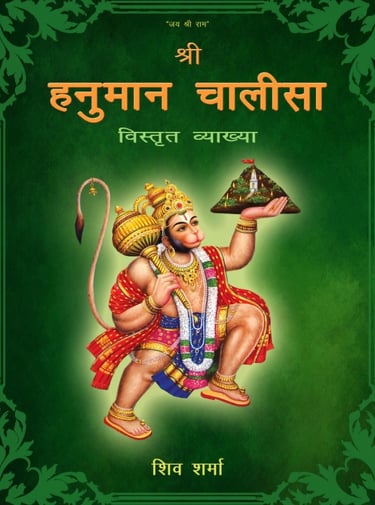
Hanuman Chalisa - Vistrit Vyakhya
The Hanuman Chalisa is not merely a hymn of praise but a remarkable source of devotion, wisdom, strength, and a philosophy of life. The book "Hanuman Chalisa – Detailed Exposition" offers a simple, profound, and authentic analysis of every doha (couplet) and chaupai (quatrain) of the Chalisa.......
Ajmer Ke Uvaisi Sufi Sant
For centuries, Ajmer has been a center of spirituality, love, service, and humanity. The book "Ajmer ke Uwaisi Sufi Sant" introduces the lives, teachings, and spiritual contributions of those great Sufi saints who guided countless people through their wisdom, compassion, and love for the Divine........
Shri Krishna Jayate
Lord Sri Krishna is not merely a historical or mythological figure but a unique embodiment of eternal wisdom, love, righteousness (Dharma), and life skills. The book "Sri Krishna Jayate" presents a simple yet profound introduction to his divine life, inspiring character, and timeless teachings.........
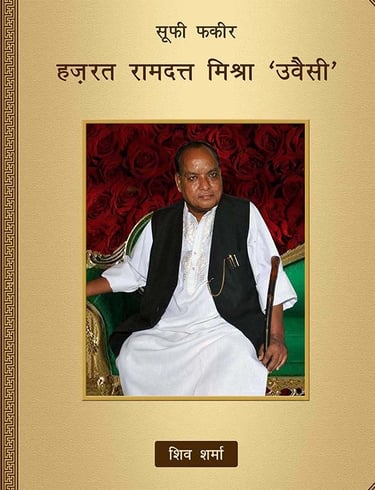
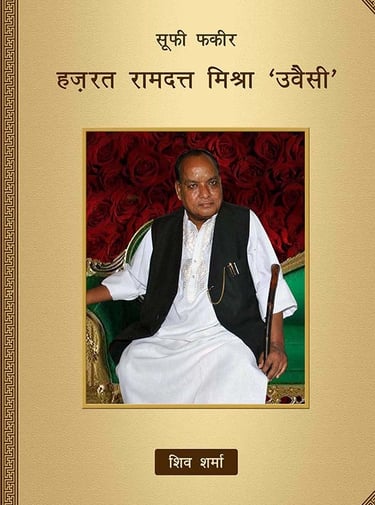
Sufi Fakir - Hazrat Ramdatt Mishra Uvaisi
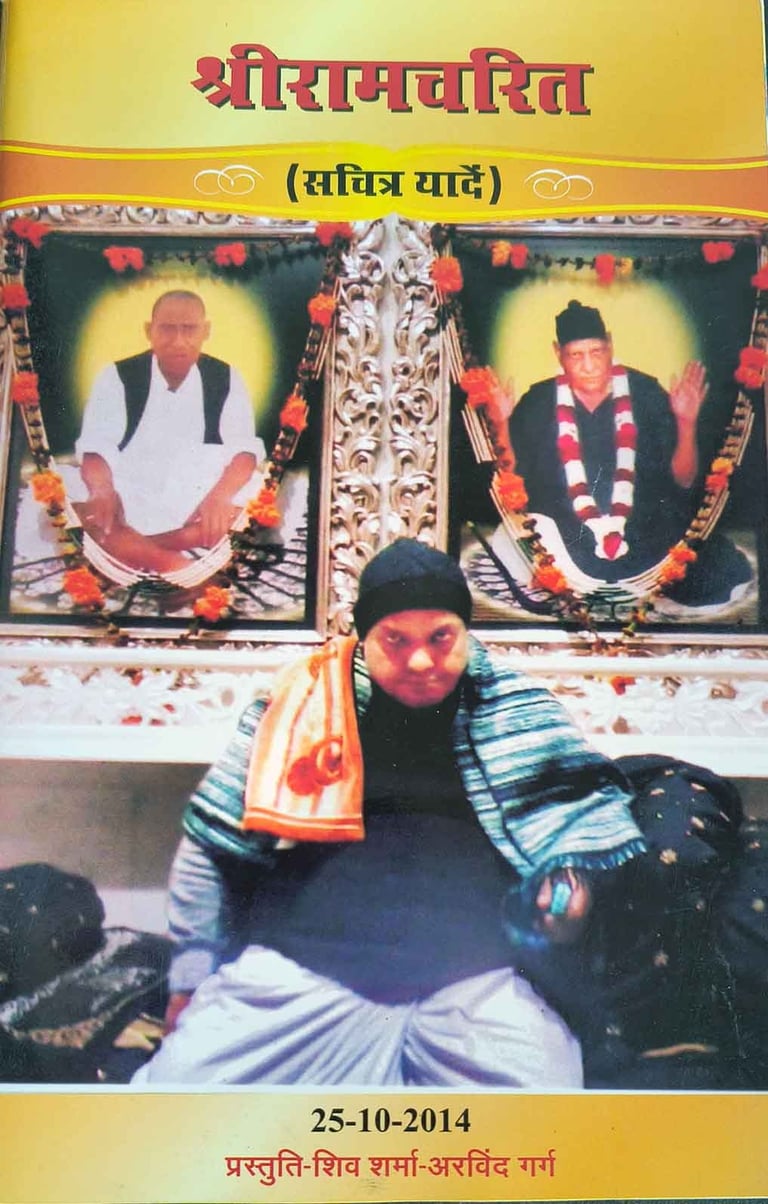
Hazrat Ramdatt Ji was the embodiment of the 'Sufi Veda'—a living scripture of Sufism. That which imparts the knowledge of Sufism is the Sufi Veda; that which instills the realization of the Sufi path is the Sufi Veda; that which elevates one to the pinnacle of Sufi spiritual practice is the Sufi Veda..........
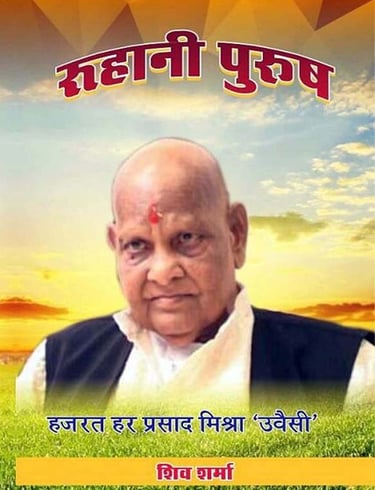
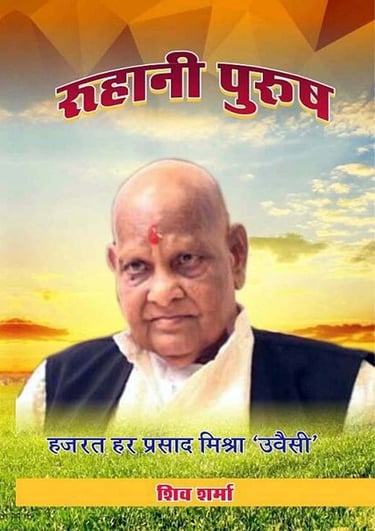
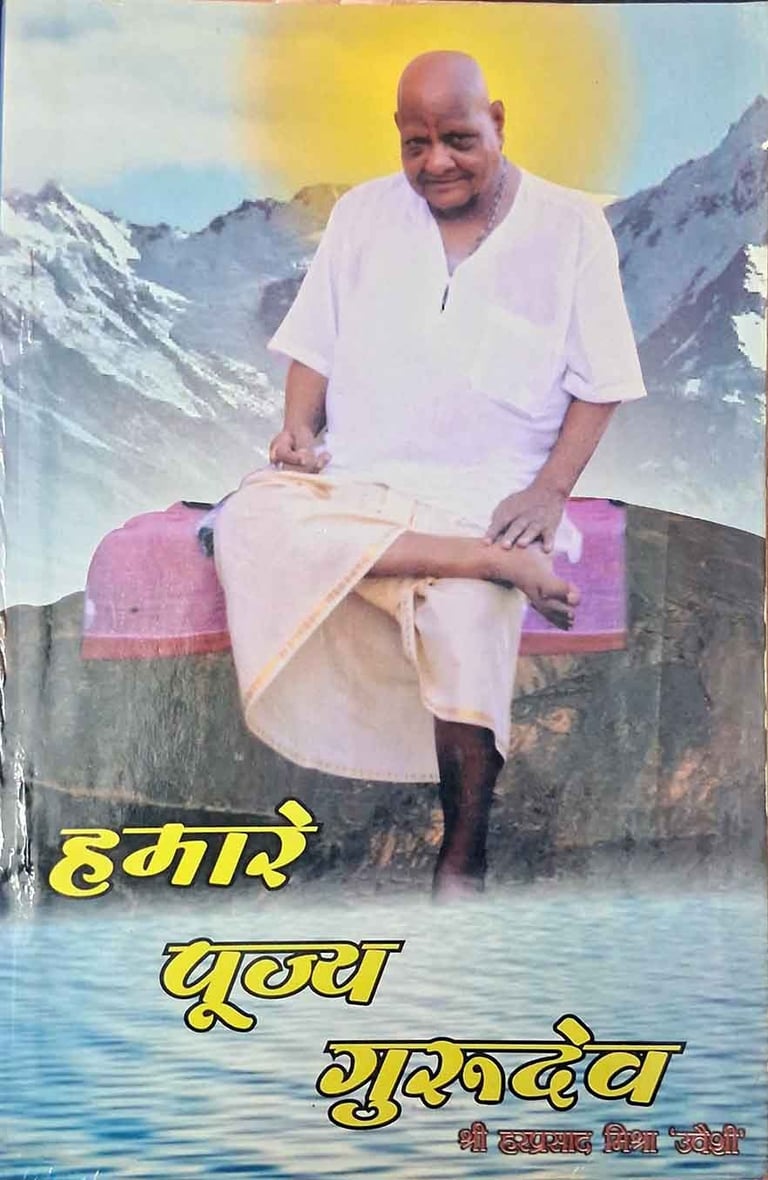
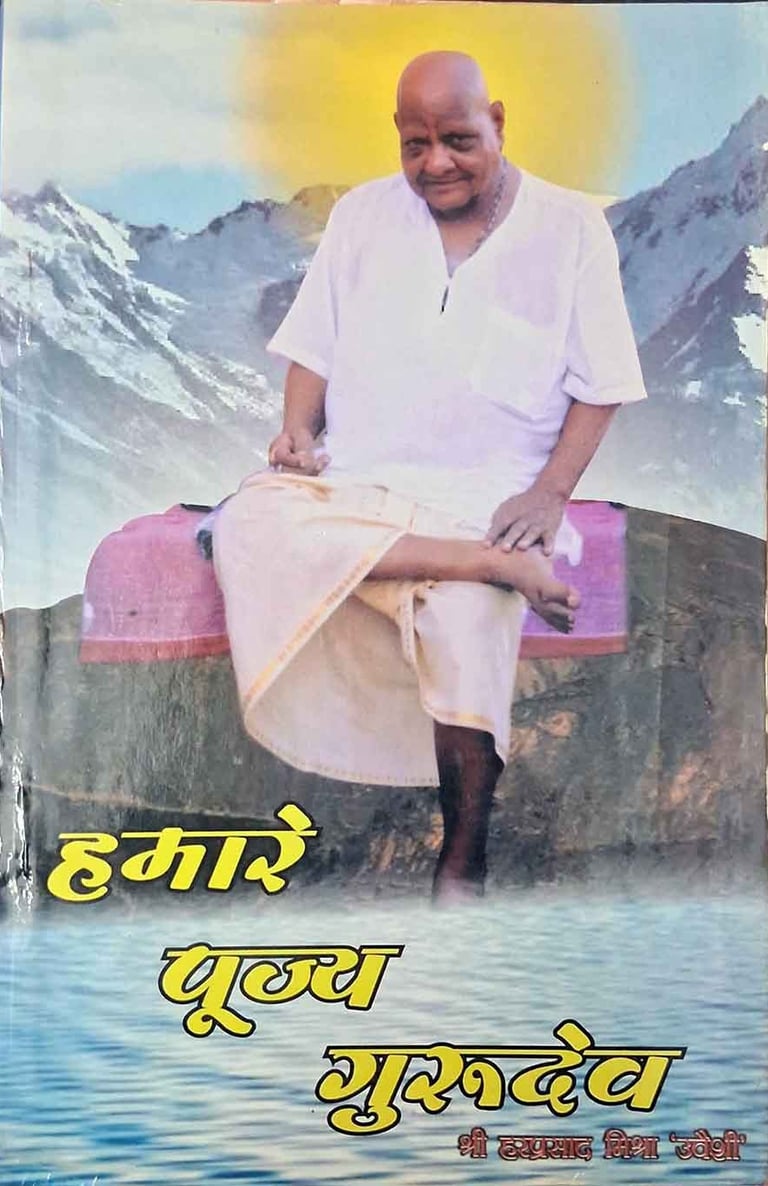
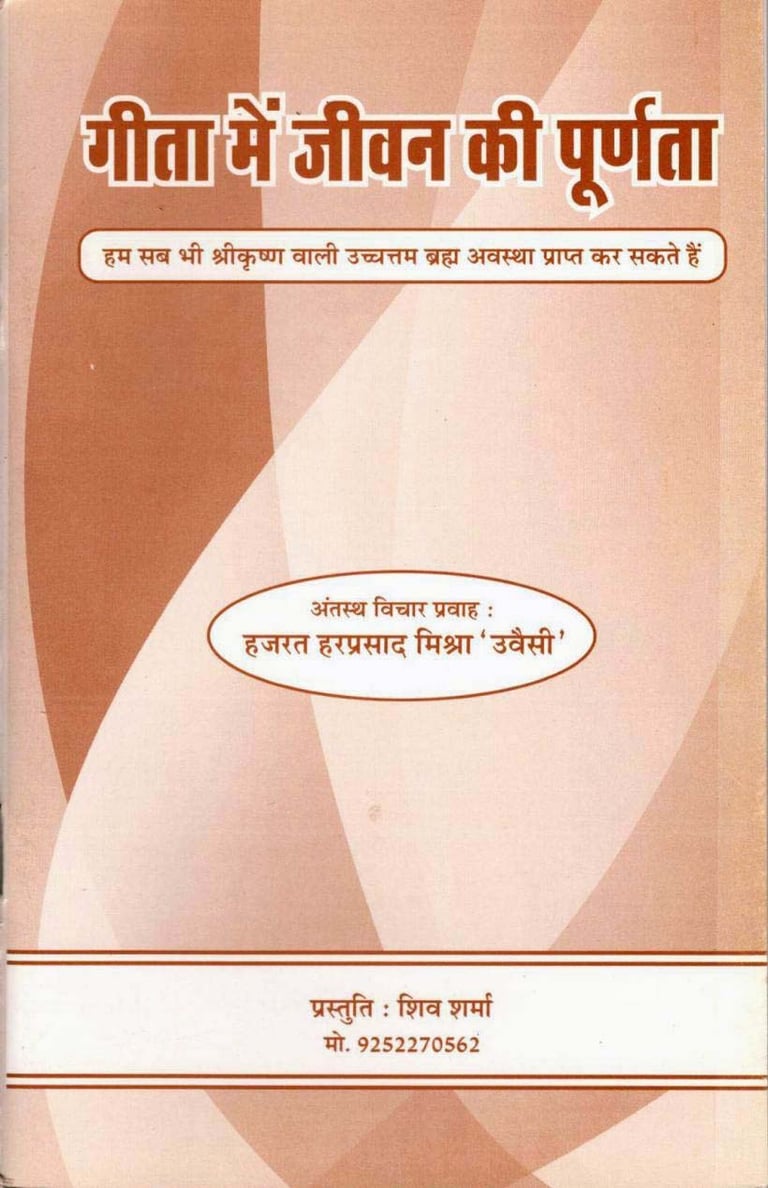
Ruhani Purush - Hazrat Harprasad Mishra Uvaisi
During my college days, I read about the nature of saints, sages, and fakirs. After completing my education and becoming a professor, I began teaching about them. Later, I came into contact with Hazrat Harprasad Mishra 'Uwaisi' and saw firsthand what a Sufi fakir is truly like. In appearance, they are just like you and me..........
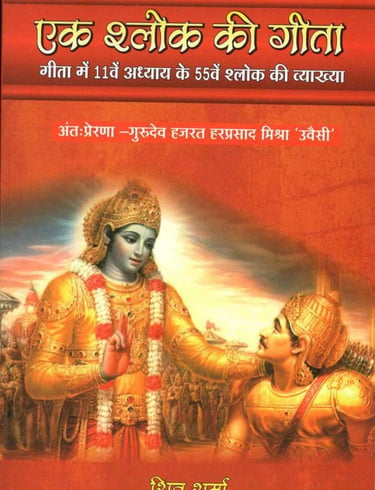
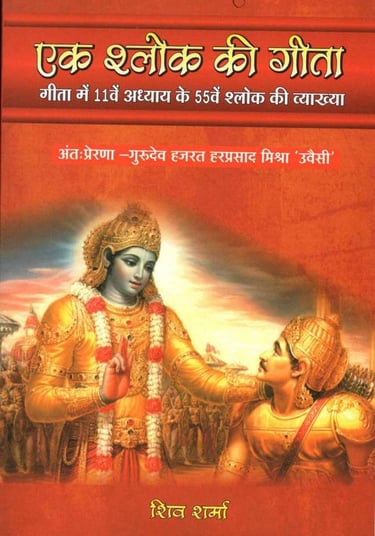
Ek Shlok Ki Geeta
An explanation of the 55th verse of the eleventh chapter: Krishna revealed His Vishvarupa (Universal Form) and Chaturbhuja-rupa (Four-armed Form) to Arjuna, who then declared that he had become composed and steady. Krishna then told him that the true man of action is one who performs deeds solely for His sake..........
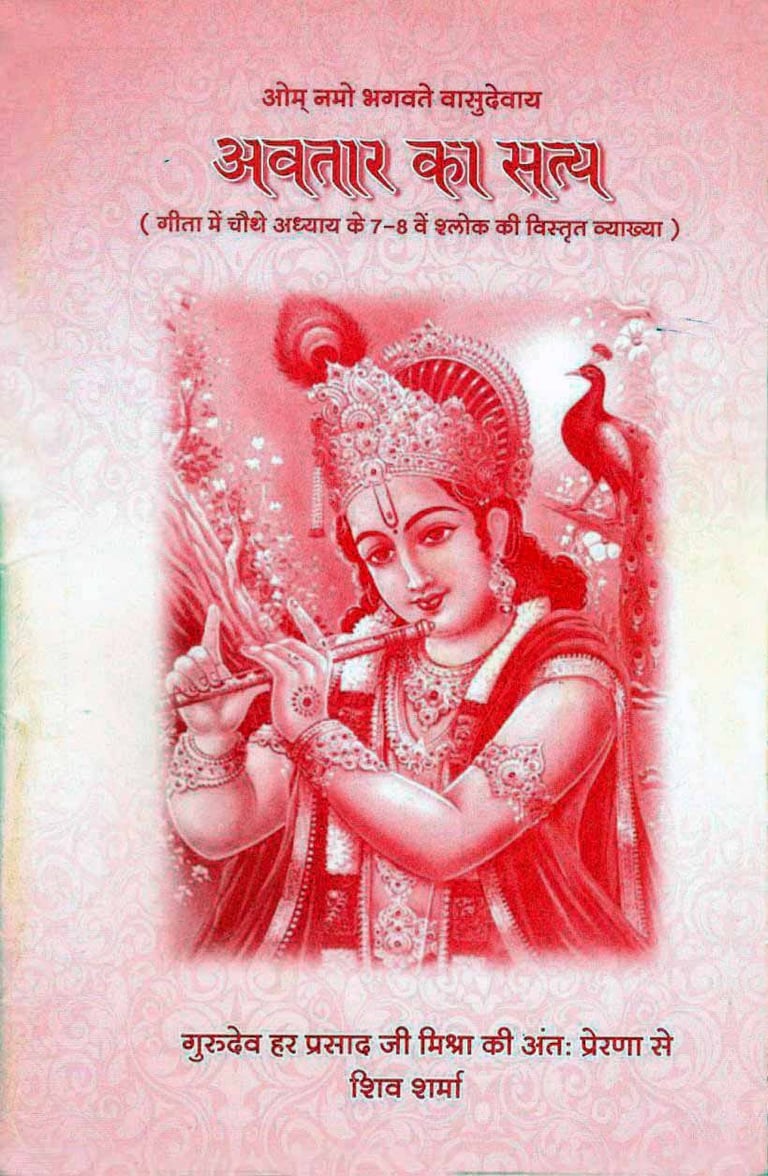
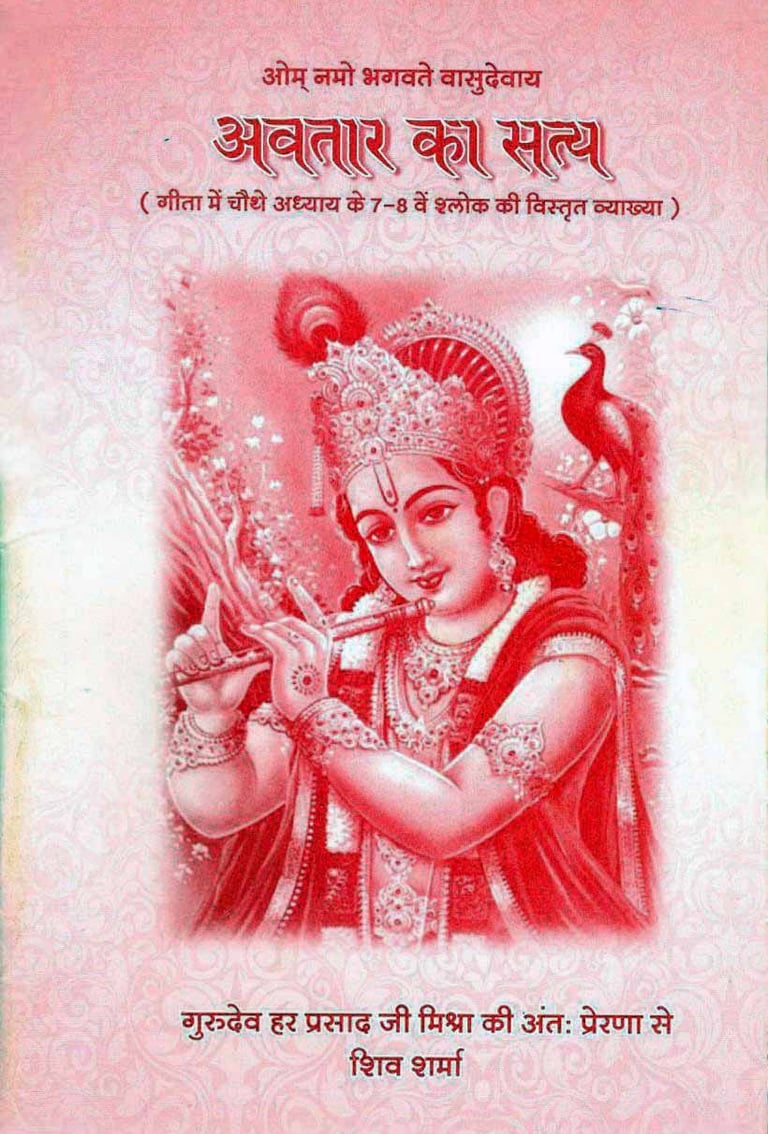
Avtar Ka Satya
An explanation of verses 7 and 8 of the fourth chapter of the Gita: An Avatar does not take birth; rather, he is created. Krishna declares, "*Tadātmānaṃ sṛjāmyaham*" (I manifest Myself). His personality evolved from Devakinandan—the son of Devaki—to Yogeshwar Krishna—the Lord of Yoga. This represents the fulfillment of human life...........
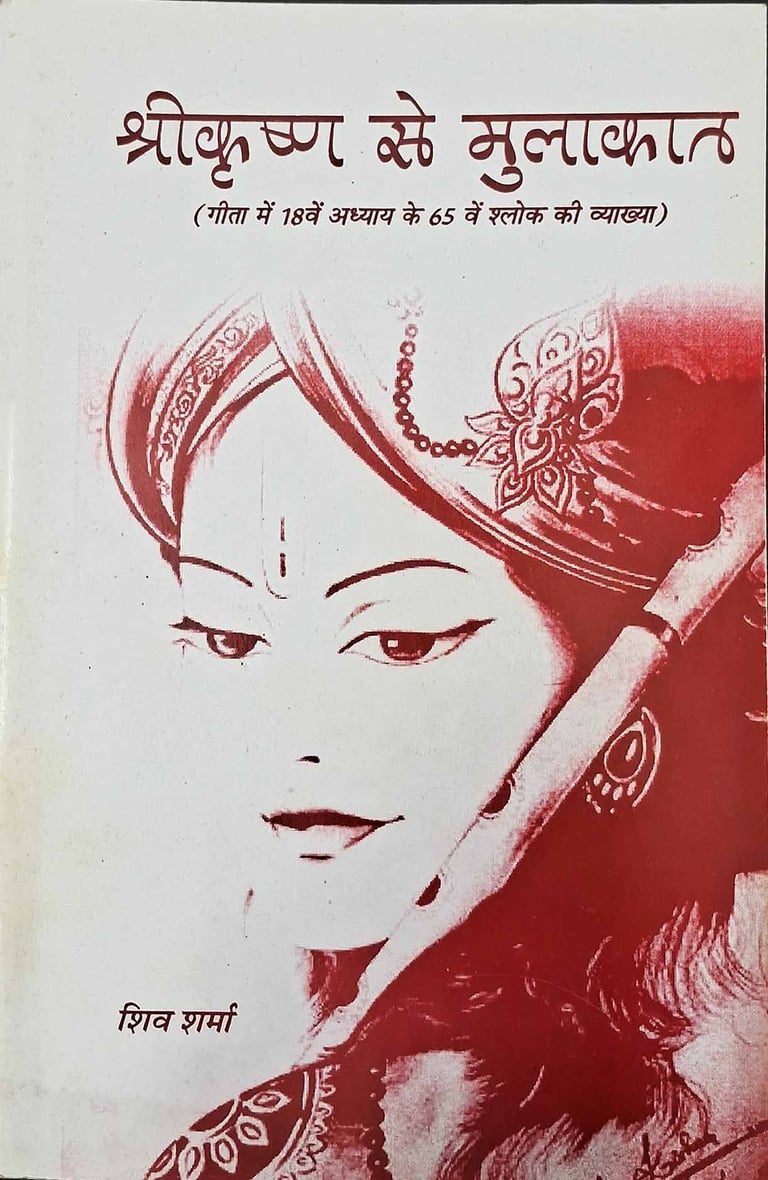
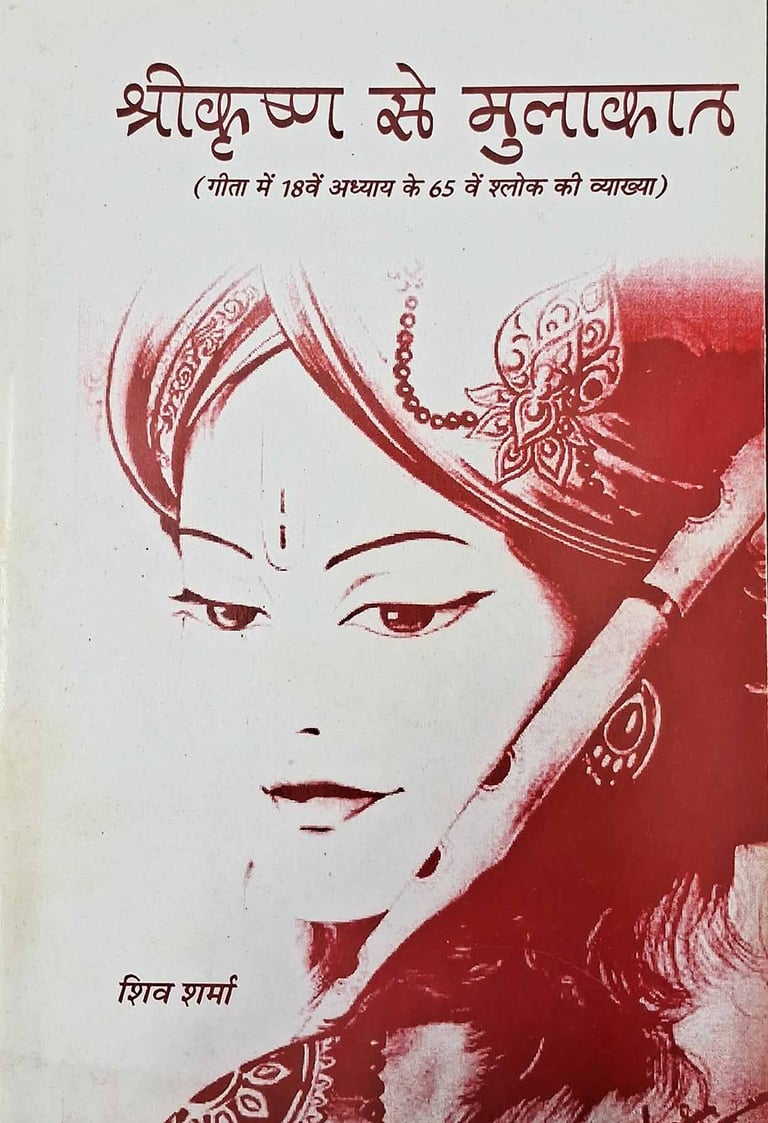
Shri Krishna Se Mulaqat
An explanation of Verse 65, Chapter 18: God is not to be found anywhere outside; He resides within the human being. In the Gita, Krishna states five times that He dwells in the heart of every living being as the Soul. There are three paths to realizing God—or Supreme Consciousness: Bhakti (devotion), Jnana (knowledge), and Karma (action)............
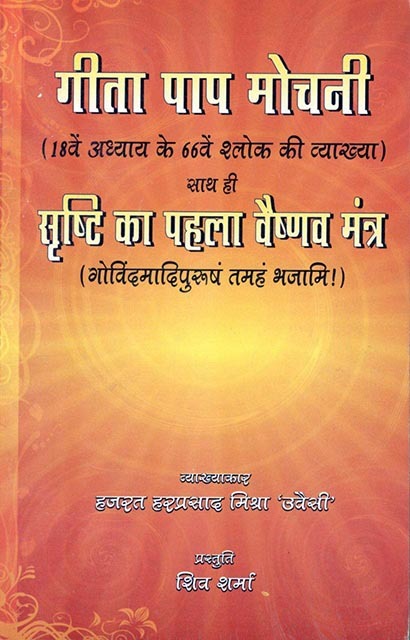
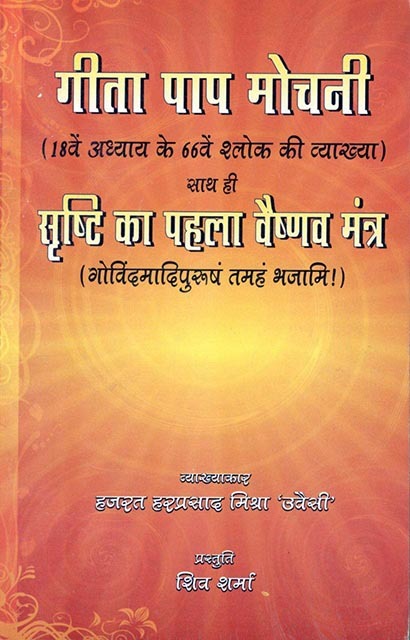
Geeta Paap Mochani
An exposition of Verse 66 of the Eighteenth Chapter, accompanied by a discussion on the Govindam Adi-purusham—the first Vaishnava mantra of creation. In this verse, Krishna emphatically declares, "Surrender unto Me; I shall liberate you from all sins." The explanation covers the meaning of sin and surrender, Krishna's assurance, the significance of liberation from sin, and the frequency with which Krishna makes this statement in the Gita.............
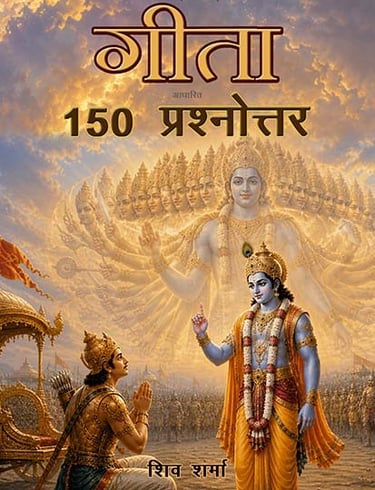
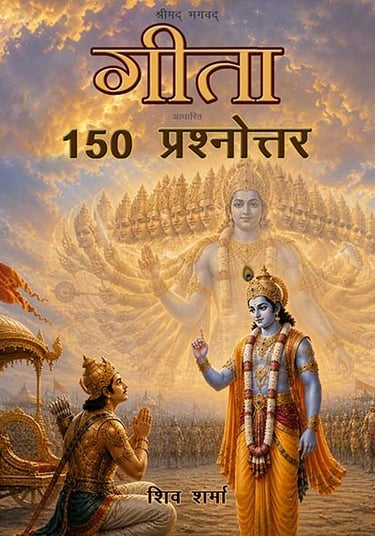
Geeta 150 Prashnottar
This book explains all the concepts found in the teachings of the Gita—such as Nishkama Karma (selfless action), Jnana (knowledge), Bhakti (devotion), the Supreme Soul, the individual soul, and Prakriti (nature). It also elucidates truths regarding the individual soul, Moksha (liberation), bondage, reincarnation, Vaikuntha, Brahman, and Parabrahman in an easily comprehensible manner..............
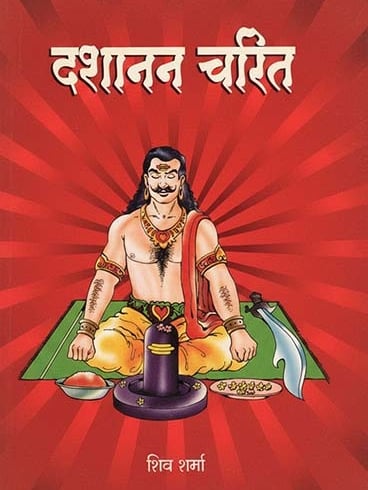
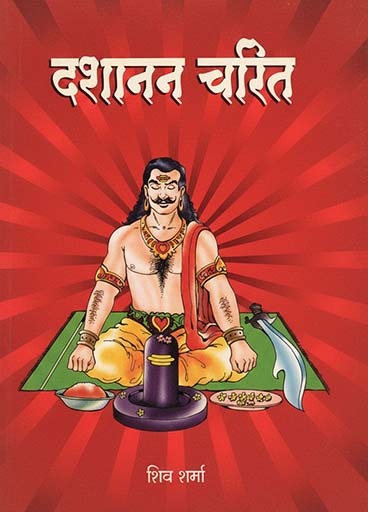
Dashanan Charit
This is a positive book about Lankesh, Ravana, or Dashanan—a monumental figure of non-Aryan culture. It portrays the war between Rama and Ravana as a grand conflict between two opposing cultures. Additionally, it offers a reasoned analysis of Ravana’s scholarship, valor, character, mindset, and nobility. It also features an extensive collection of folk tales associated with figures such as Sita, Mandodari, and Ravana..............
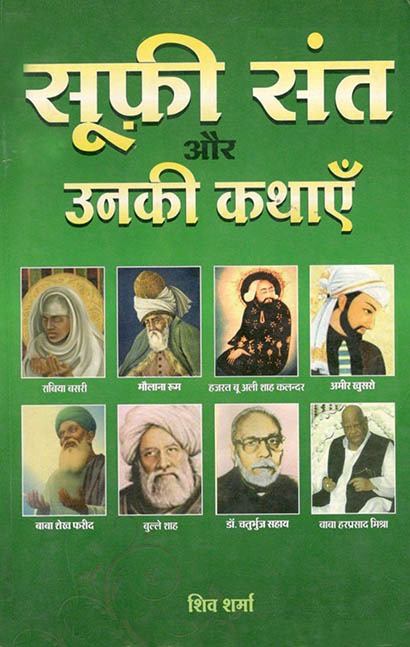
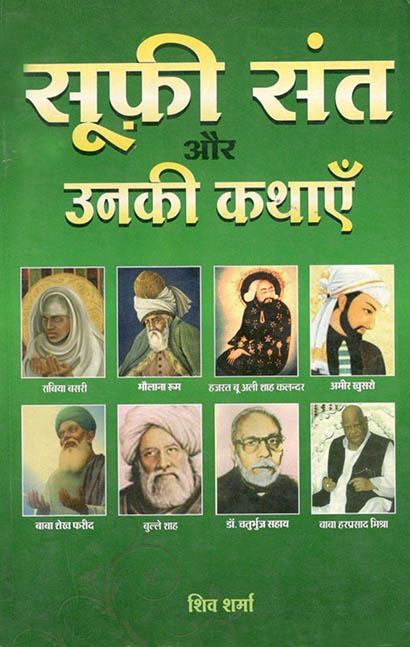
Sufi Sant Aur Unki Kathaein
This is a widely acclaimed book. In it, we have expounded upon the Sufi spiritual practice in a manner that is both theoretical and original. The book was written after gaining an understanding of Sufism through ten years of living in a Sufi ashram. It also chronicles the lives and teachings of 27 prominent Sufi saints from around the world...............
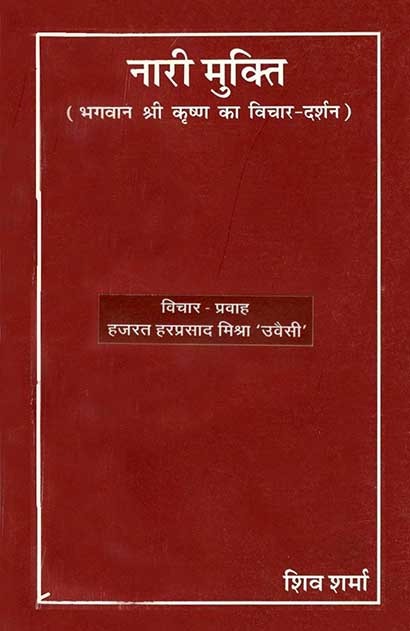
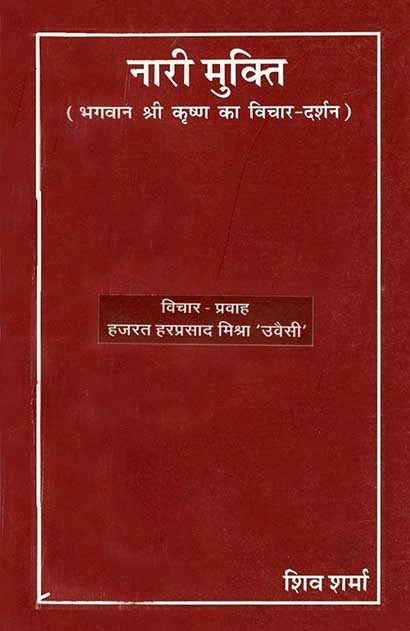
Naari Mukti
This book is based on verse 33 of the tenth chapter of the Gita. In the above verse, Krishna says that in woman there are seven of His glories – fame, glory, speech, memory, intelligence, patience and forgiveness. Exemplary explanations of these seven are the hallmark of this book. It describes the fame of famous women like Aditi, Arundhati, Sachi, Anasuiya...............
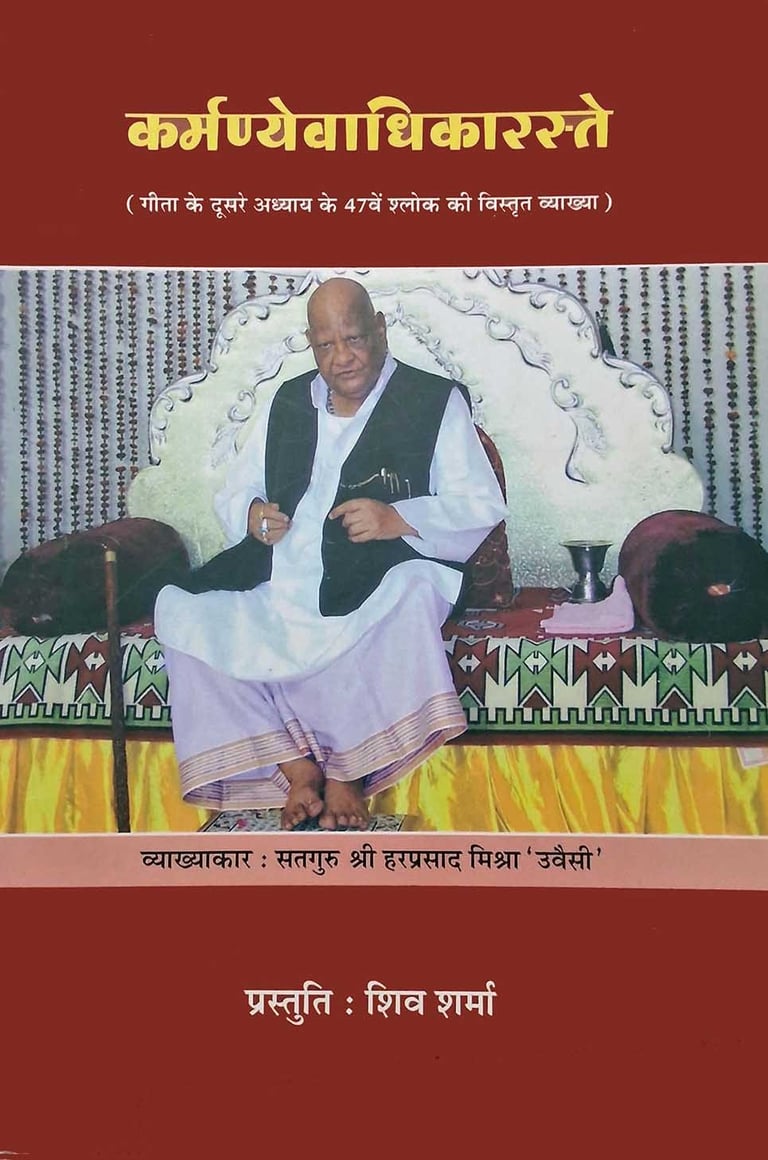
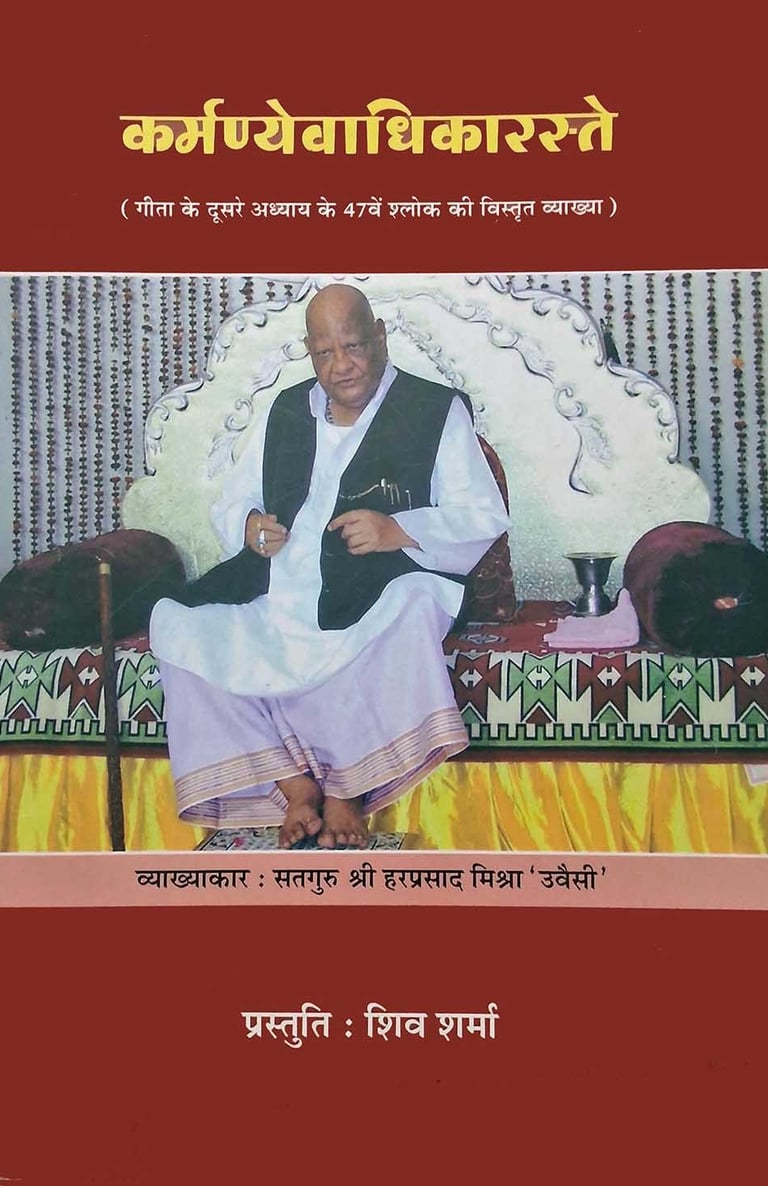
Karmanyevadhikaraste
A detailed exposition of the 47th verse of the second chapter of the Gita. It explains the distinctions between Karma (prescribed action), Akarma (inaction), Vikarma (prohibited action), and Nishkama Karma (action performed without desire for the fruit). It also analyzes the concepts of Swakarma (one's own duty/action), Swadharma (one's inherent duty), and Swabhava (one's innate nature)................
Moksh Ka Satya
The concept of Moksha (liberation) exists in religious texts across the world. So, what exactly is Moksha? This book seeks to answer that very question. It provides the necessary background by explaining concepts such as the individual soul (*Atma*), the Supreme Soul (*Paramatma*), cosmic dissolution (*Pralaya*), partial dissolution (*Khanda Pralaya*), and absolute dissolution (*Atyantika Pralaya*).................
Sadguru Sharnam
This is a deeply spiritual book. It recounts the author's experiences: who his Guru was, how he received initiation, how Shaktipat (the transmission of spiritual energy) occurred, and what followed that transmission. It describes the inner spiritual transformations that take place—such as attaining Samadhi.................
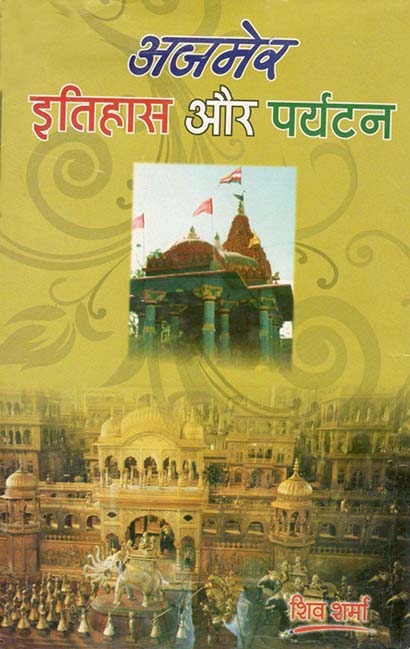
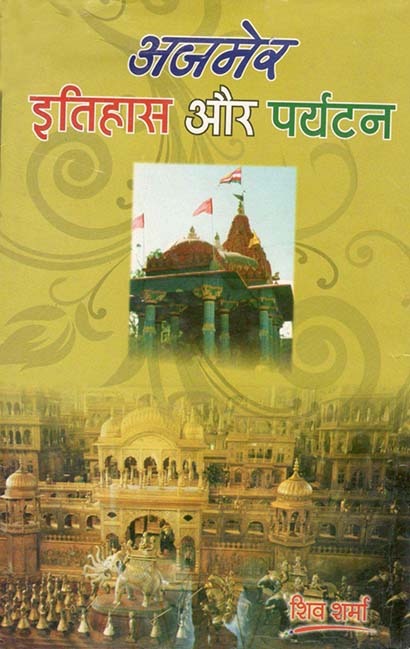
Ajmer Itihas Aur Paryatan
During the British era, this city served as the educational capital of Rajasthan. Its origins can be traced back to the Dwapara Yuga. Ajmer’s tales of romance have been documented here for the first time, and the fascinating history of the city’s renowned havelis has also been brought to light. Key tourist attractions include the air-conditioned 'Sheesha Khan' (Mirror Chamber), Taragarh—the first hilltop fort—the Chishtiya Dargah.................
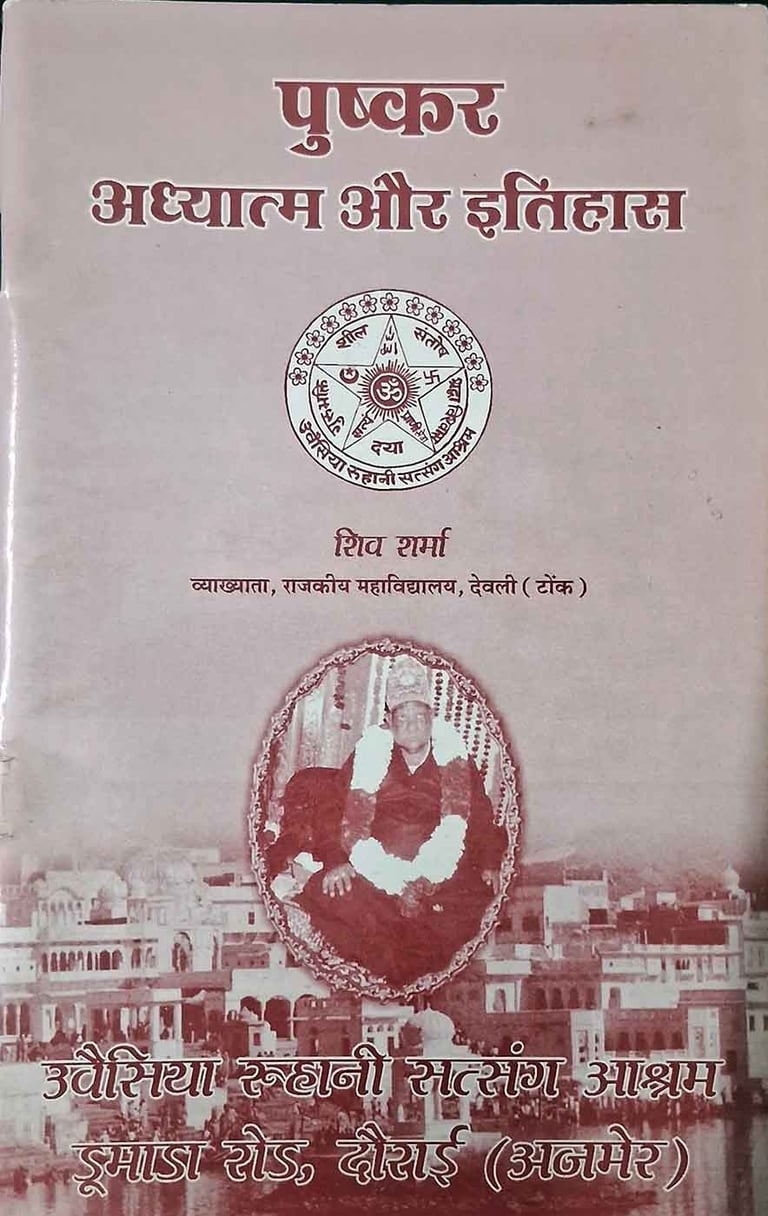
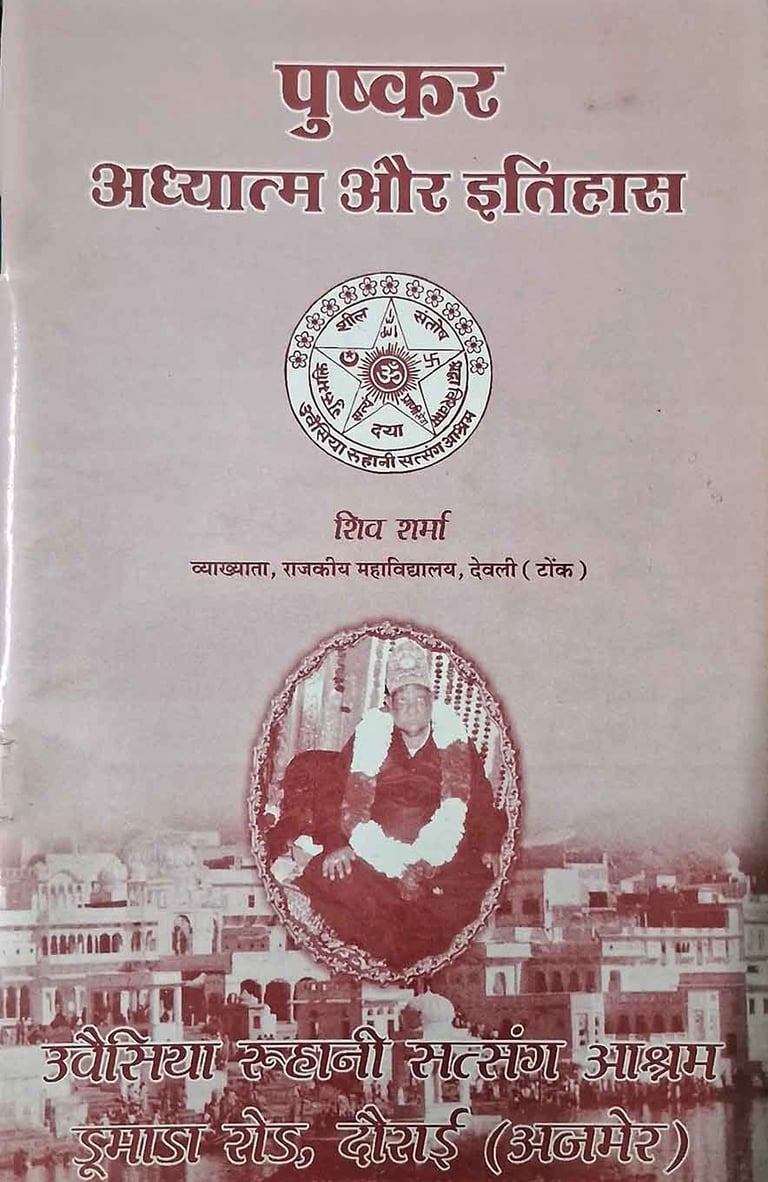
Pushkar Adhyatm Aur Itihas
An authoritative book on the sacred pilgrimage site of Pushkar. It presents impressive, research-based material regarding the geographical setting and historical significance of this ancient town. There are some surprising revelations—such as the question of where the real Pushkar is located (was it near the Valley of Flowers?). Similarly, the Saraswati River never actually flowed through the Pushkar situated near Ajmer..................